

The straddle planche is one of the most debated progressions in calisthenics. Some athletes swear by it as a non-negotiable stepping stone to the full planche. Others argue it wastes time and teaches bad habits. I decided to settle this debate by asking six of the most respected athletes and coaches in the world. Their answers surprised me.
Watch the Full Video
The Straddle Planche Debate
If you have spent any time in calisthenics communities, you have heard the argument. One side says the straddle planche is the single most important progression on the road to full planche. The other side says it is a dead end that creates bad habits and wastes months of training.
The truth, as I learned from these experts, is far more nuanced. It depends on your body proportions, your training history, your psychology, and your goals. There is no universal answer, but there is a framework for making the right decision for you.
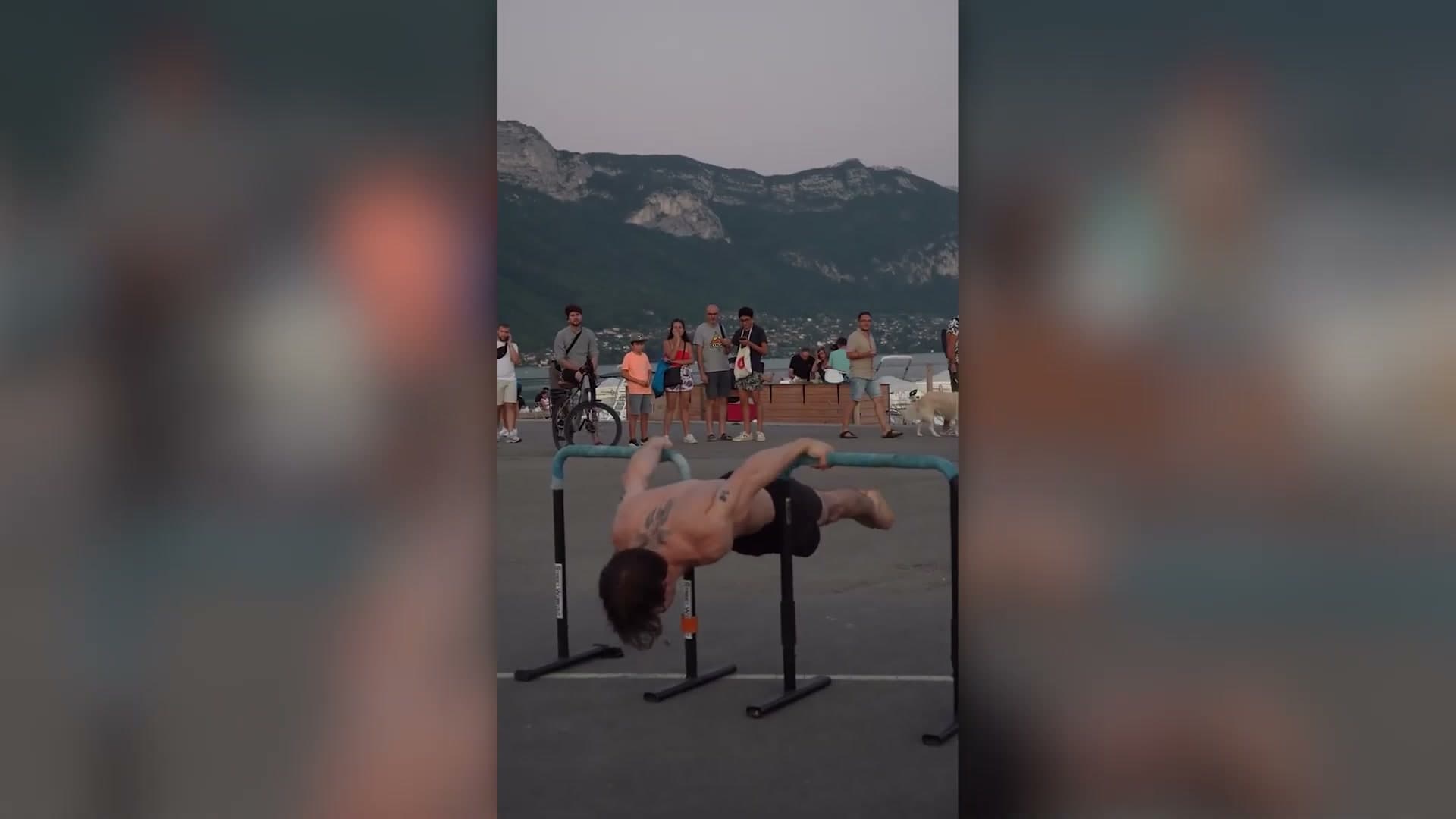
Nathan Bosech: The Strength Building Case
Nathan is one of the most respected planche coaches in the game. His take was clear: the straddle planche builds strength that nothing else can replicate. The specific loading pattern, the shoulder engagement, the scapular protraction under load. All of it carries directly into the full planche.
But he was quick to add a warning. The hip positioning in straddle planche is fundamentally different from full planche. Your hips are in abduction and external rotation during straddle work. In the full planche, your legs are together in a neutral position. This means the transfer is not as direct as most people assume.
If you train straddle planche exclusively without also working closed-leg variations, you risk building strength in a position that does not fully carry over. Nathan recommends treating straddle as a strength tool, not as the only progression.
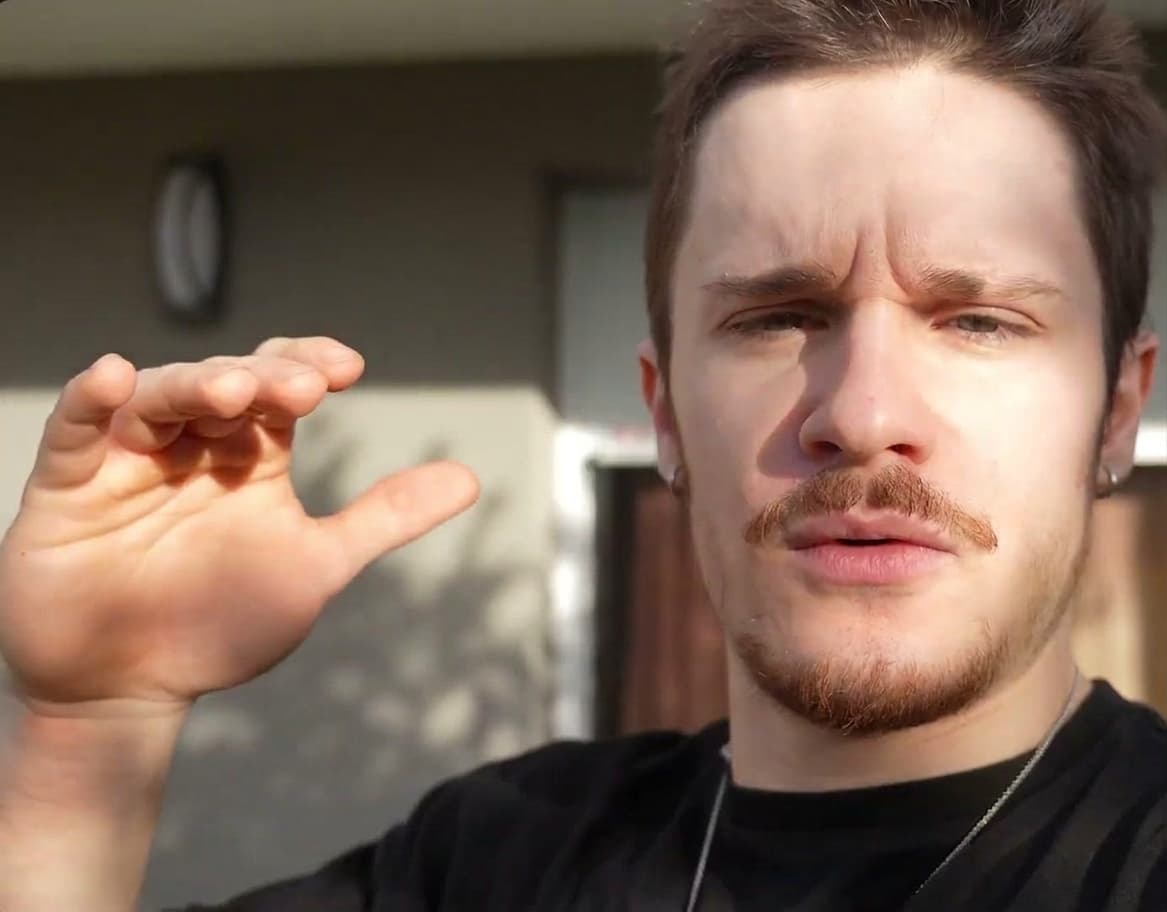
Sondre Berg: The Biomechanics Factor
Sondre brought something to the conversation that nobody else did: body proportions. He explained that the difficulty gap between straddle and full planche varies enormously depending on your anatomy.
If you have short legs relative to your torso, the jump from straddle to full planche is relatively small. Your center of mass does not shift as dramatically when you close your legs. But if you have long legs, that gap becomes massive. Closing your legs moves your center of mass forward by a significant amount, making the full planche feel like an entirely different skill.
This is why some athletes breeze through the straddle to full transition while others get stuck for years. It is not always about strength. Sometimes it is pure physics.
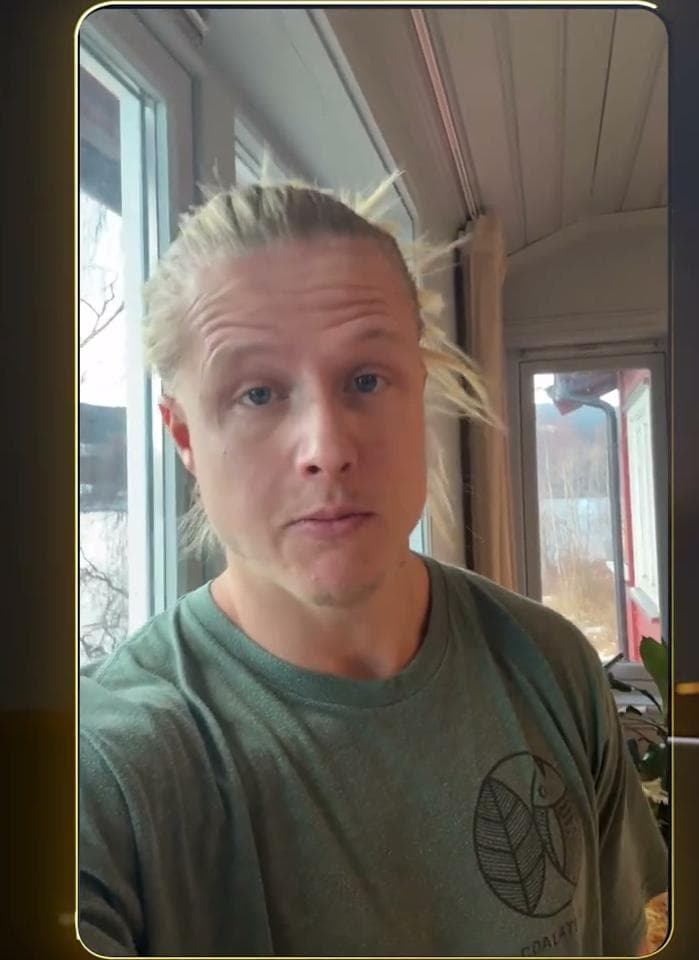
Daniel Hristov: The World Champion's Path
Daniel Hristov is a four-time world champion. His perspective carries weight. He told me that he personally jumped from advanced tuck planche directly to full planche, skipping straddle almost entirely.
But here is the nuance: he does not recommend this for everyone. He sees the straddle planche as a valuable buffer zone. A place where you can build confidence, accumulate volume, and refine your protraction without the full demand of holding your legs together.
For athletes who are mentally strong enough to grind through a long advanced tuck phase, skipping straddle can work. For everyone else, straddle provides a critical intermediate step that keeps motivation alive.
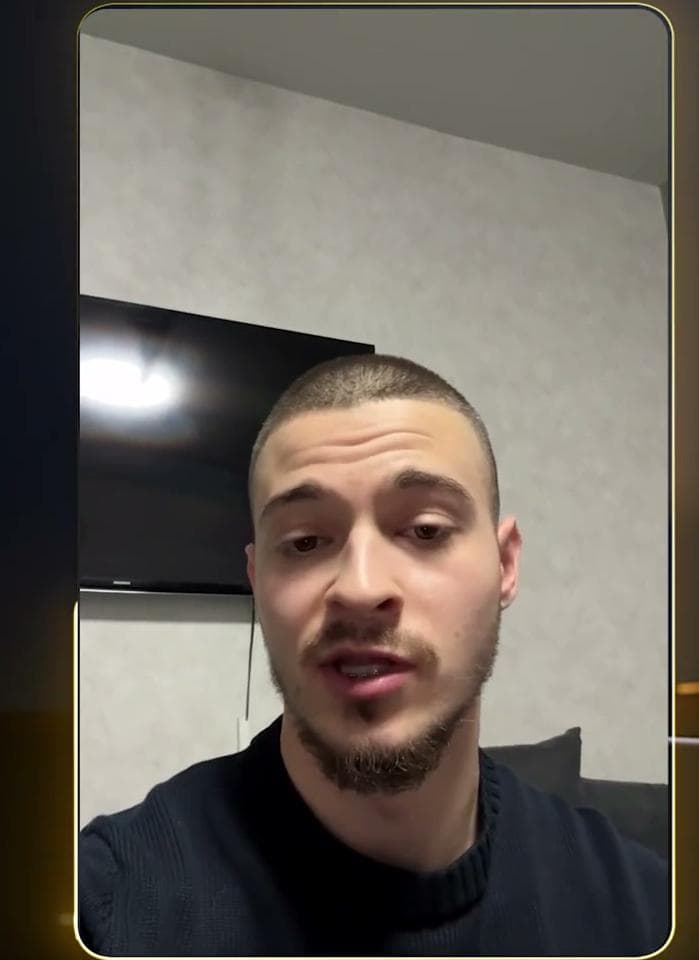
Denis Sthenics: The Technical Paradox
Denis dropped a perspective that caught me off guard. He argued that a properly executed straddle planche is technically harder than a full planche.
Think about it. In full planche, your body is a single rigid unit. Everything is stacked and compressed. In straddle, you need to manage hip abduction, maintain protraction, control rotation, and keep tension through legs that are pulling your center of mass in two different directions.
Most athletes never experience a truly perfect straddle planche because they compensate with anterior pelvic tilt or incomplete protraction. The ones who master clean straddle technique often find the transition to full planche surprisingly smooth.
Andry Strong: The Progressive Overload Perspective
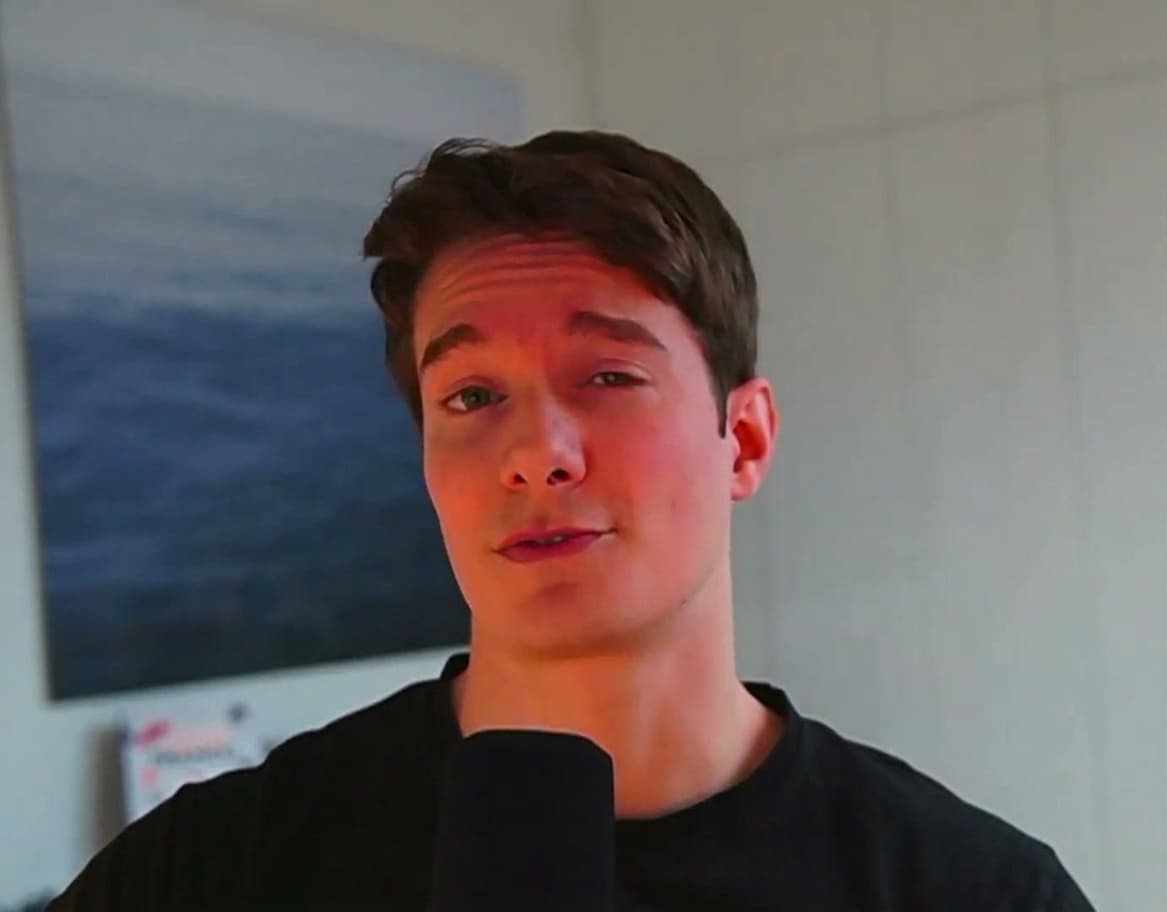
Andry brought a simple but powerful argument. He views the straddle planche as progressive overload. You do not go from bench pressing 60kg directly to 100kg. You add weight gradually.
The straddle planche is that intermediate weight. It teaches your shoulders to handle load in protraction. It conditions your wrists. It builds the specific endurance needed for isometric holds at the planche angle.
Skipping it is like skipping a weight class. You might get away with it if you are talented enough. But for most athletes, the progressive approach produces more consistent results with fewer injuries.
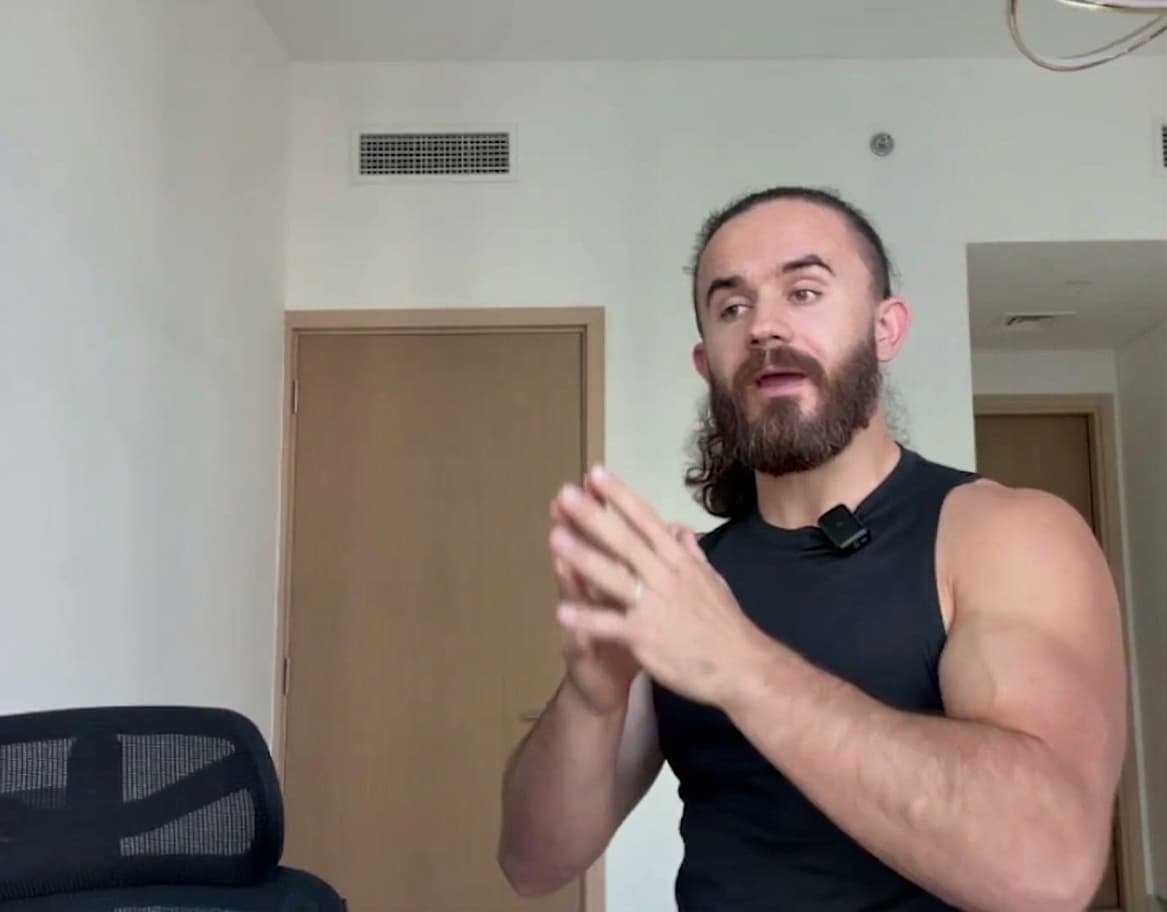
Viktor raised the most important technical warning of the entire conversation. He pointed out that straddle planche training, done incorrectly, reinforces anterior pelvic tilt.
When you spread your legs in the straddle position, your hip flexors are shortened and your glutes are in a mechanically weak position. Many athletes compensate by tilting their pelvis forward, which creates a banana-shaped back. This looks like a straddle planche from a distance, but it is actually a compensation pattern that will not transfer to full planche at all.
The fix is simple but demands discipline: you must actively maintain posterior pelvic tilt throughout your straddle work. Squeeze the glutes. Tuck the pelvis. If you cannot hold straddle planche with a flat or slightly rounded back, you are not strong enough for it yet.
Bruno Focacci: The Secret Athlete
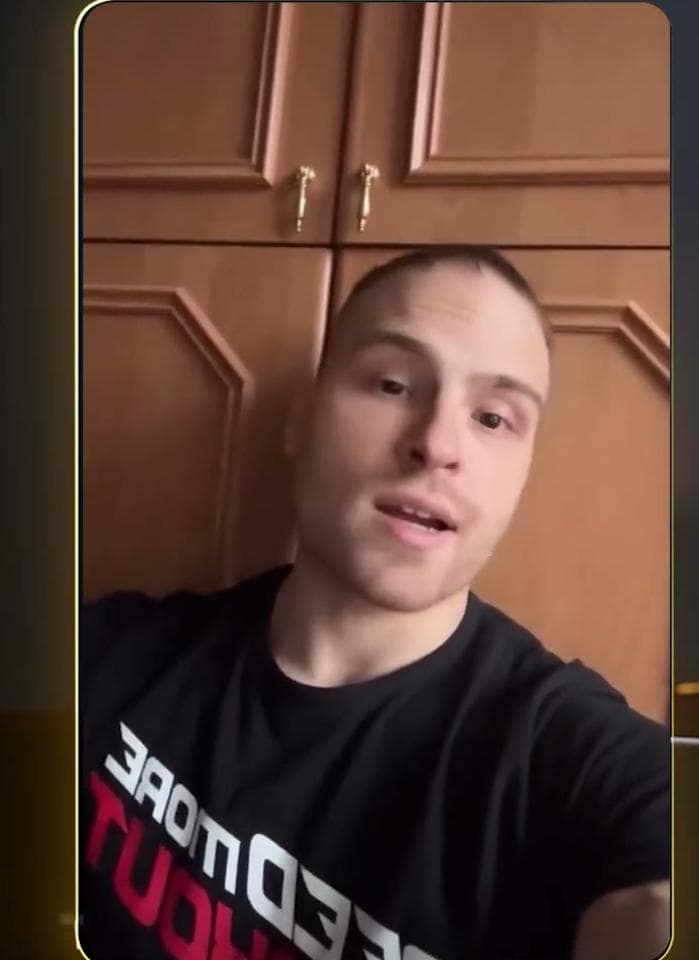
Bruno was the surprise guest in this conversation. As a competitive calisthenics athlete with years of experience in planche training, his perspective added a practical dimension that the other experts touched on but did not fully develop.
His take: the straddle planche is a great element for working on variations such as the press to handstand. It builds a type of shoulder and core control that transfers beyond just the planche itself. If your goal is purely full planche, you might consider skipping it. But if you want to be a well-rounded calisthenics athlete, straddle work opens doors to other skills.
Doctor Yaad's Verdict
After hearing all six experts, here is where I land. The straddle planche is not mandatory. But it is incredibly useful for most athletes. The key is how you use it.
Do not treat straddle planche as a destination. Treat it as a tool. Use it to build strength, refine protraction, and accumulate training volume at a challenging intensity. But also train closed-leg variations alongside it. Half-lay planche, full planche negatives, and band-assisted full planche work should run in parallel.
If you have short legs and strong shoulders, you might be able to skip straddle entirely. If you have long legs or are coming from a lower training base, straddle planche will likely save you time in the long run.
Training Tips
If you decide to include straddle planche in your training, here is how I recommend approaching it. Train it 2 to 3 times per week with at least 48 hours between sessions. Start with 4 to 6 sets of your best hold, aiming for 5 to 15 seconds per set.
Always prioritize technique over hold time. A 5 second hold with perfect posterior pelvic tilt is worth more than a 15 second hold with a banana back. Film yourself from the side regularly. What feels flat often is not.
Pair your straddle work with full planche attempts or negatives at least once per week. This keeps your nervous system exposed to the full movement pattern even while you build strength in the straddle position.
Frequently Asked Questions About the Straddle Planche
How long does it take to learn the straddle planche?
For most athletes, expect 1 to 3 years of consistent training from the point where you can hold an advanced tuck planche for 10 seconds. The timeline varies significantly based on body weight, arm length, and training consistency.
Can you go straight from advanced tuck to full planche?
Yes, some athletes do this successfully. Daniel Hristov did exactly that. However, for most people the strength gap is too large. The straddle planche provides a more gradual progression that reduces injury risk and maintains motivation.
Is the straddle planche harder than the full planche?
It depends on what you mean by harder. Denis Sthenics argues that a technically perfect straddle is more complex to execute. But in terms of raw strength, the full planche demands more because your center of mass is farther from your hands.
What grip width should I use for straddle planche?
Most athletes do best with hands slightly wider than shoulder width. This gives your shoulders room to protract fully without impinging. Experiment with slight variations to find what feels strongest for your anatomy.
How do I fix anterior pelvic tilt in my straddle planche?
Focus on actively squeezing your glutes and tucking your pelvis during every hold. Practice posterior pelvic tilt on the ground first. Then apply it in easier progressions before loading it into your straddle work. If you cannot maintain it, the position is too advanced for you right now.
Should beginners attempt the straddle planche?
No. You need a solid foundation first. At minimum, you should be able to hold an advanced tuck planche for 8 to 10 seconds with clean form before introducing straddle work. Rushing into it leads to shoulder injuries and bad habits.
How often should I train the straddle planche?
Two to three times per week is optimal for most athletes. More frequent training increases injury risk for the wrists and shoulders. Less frequent training may not provide enough stimulus for adaptation. Listen to your body and adjust based on recovery.


